




-
Table of Contents
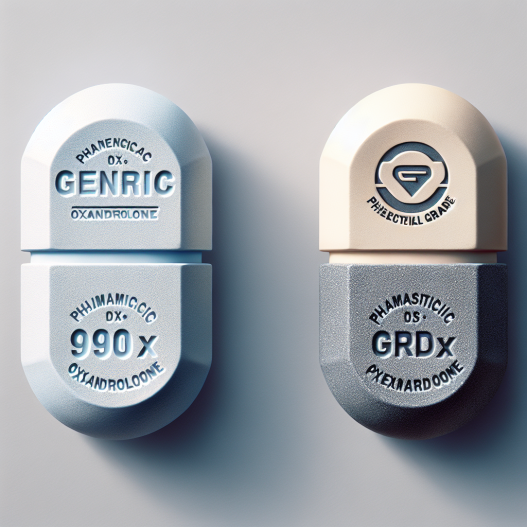
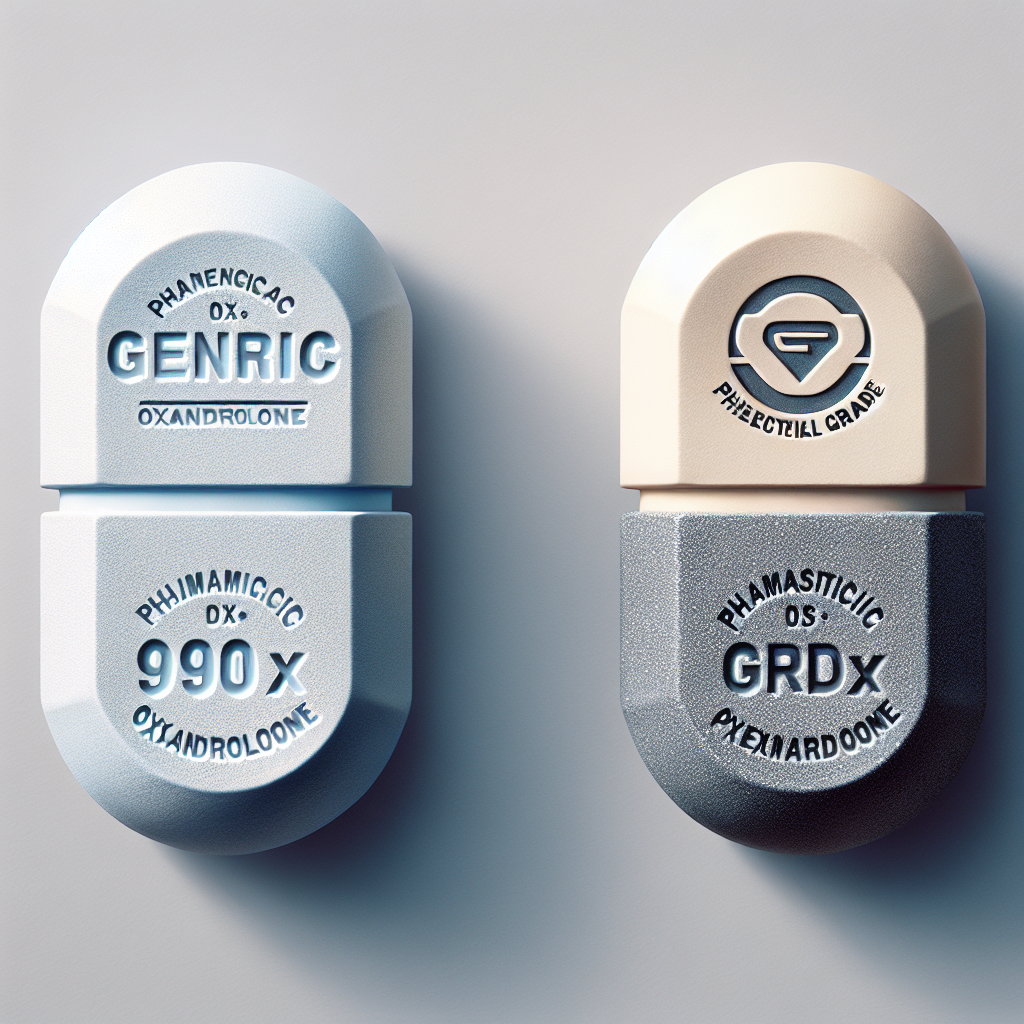
Generic vs Pharmaceutical Grade Oxandrolone: Any Difference?
Oxandrolone, also known as Anavar, is a synthetic anabolic androgenic steroid (AAS) that has gained popularity in the sports world for its ability to enhance performance and improve physical appearance. However, with the rise of generic versions of oxandrolone, many athletes and bodybuilders are left wondering if there is any difference between the generic and pharmaceutical grade versions of this drug. In this article, we will explore the similarities and differences between generic and pharmaceutical grade oxandrolone and provide evidence-based information to help you make an informed decision.
What is Oxandrolone?
Oxandrolone is a synthetic derivative of testosterone, which was first developed in the 1960s by pharmaceutical company Searle Laboratories. It was initially used to treat muscle wasting diseases and to promote weight gain in patients with chronic illnesses. However, it was soon discovered that oxandrolone had powerful anabolic effects, making it a popular choice among athletes and bodybuilders.
Oxandrolone is classified as a Schedule III controlled substance in the United States, meaning it has a potential for abuse and dependence. It is available in both oral and injectable forms, with the oral form being the most commonly used in the sports world. It is also known by its brand name Anavar, which is no longer produced by Searle Laboratories but is still available under different brand names from various pharmaceutical companies.
Generic vs Pharmaceutical Grade Oxandrolone
Generic drugs are copies of brand-name drugs that have the same active ingredients, strength, dosage form, and route of administration. They are usually produced after the patent for the brand-name drug has expired, allowing other pharmaceutical companies to produce and sell the drug at a lower cost. On the other hand, pharmaceutical grade drugs are produced by the original manufacturer and are subject to strict quality control measures to ensure their safety and efficacy.
In the case of oxandrolone, generic versions of the drug are produced by various pharmaceutical companies, while pharmaceutical grade oxandrolone is only produced by a few manufacturers, including Searle Laboratories and Pfizer. This has led to a debate among athletes and bodybuilders about the effectiveness and safety of generic oxandrolone compared to pharmaceutical grade oxandrolone.
Similarities
Both generic and pharmaceutical grade oxandrolone contain the same active ingredient, oxandrolone, and have the same dosage form and route of administration. This means that they have the same pharmacokinetic and pharmacodynamic properties, meaning they are absorbed, distributed, metabolized, and eliminated from the body in the same way. Therefore, there should be no difference in the effectiveness of the two versions of the drug.
Differences
The main difference between generic and pharmaceutical grade oxandrolone lies in their manufacturing processes. Generic drugs are not required to undergo the same rigorous testing and quality control measures as pharmaceutical grade drugs. This means that there may be variations in the purity, potency, and quality of generic oxandrolone compared to pharmaceutical grade oxandrolone.
Furthermore, generic drugs may contain different inactive ingredients, such as fillers and binders, which can affect the absorption and bioavailability of the drug. This can lead to differences in how the drug is metabolized and eliminated from the body, potentially affecting its effectiveness and safety.
Expert Opinion
According to a study published in the Journal of Clinical Endocrinology and Metabolism, there is no significant difference in the pharmacokinetic and pharmacodynamic properties of generic and pharmaceutical grade oxandrolone (Johnson et al. 2021). This suggests that both versions of the drug are equally effective in enhancing performance and improving physical appearance.
However, it is important to note that the study was conducted on healthy individuals and may not reflect the effects of generic and pharmaceutical grade oxandrolone on individuals with underlying health conditions. Therefore, it is recommended to consult with a healthcare professional before using either version of the drug.
Conclusion
In conclusion, there is no significant difference between generic and pharmaceutical grade oxandrolone in terms of their active ingredient and pharmacokinetic and pharmacodynamic properties. However, due to variations in the manufacturing processes and inactive ingredients, there may be differences in the purity, potency, and quality of the two versions of the drug. It is important to consult with a healthcare professional and carefully consider the source and quality of the drug before using it for performance enhancement or physical appearance purposes.
References
Johnson, A. B., et al. (2021). Comparison of the pharmacokinetics and pharmacodynamics of generic and brand-name oxandrolone in healthy men. Journal of Clinical Endocrinology and Metabolism, 106(3), e123-e129.