
-
Table of Contents
The History of Halotestin: How It Was Developed
Halotestin, also known as Fluoxymesterone, is a synthetic androgenic-anabolic steroid that has been used in the field of sports pharmacology for decades. It is known for its ability to increase strength and aggression, making it a popular choice among athletes and bodybuilders. But how was this powerful substance developed? In this article, we will delve into the history of Halotestin and explore its journey from the laboratory to the sports arena.
The Discovery of Halotestin
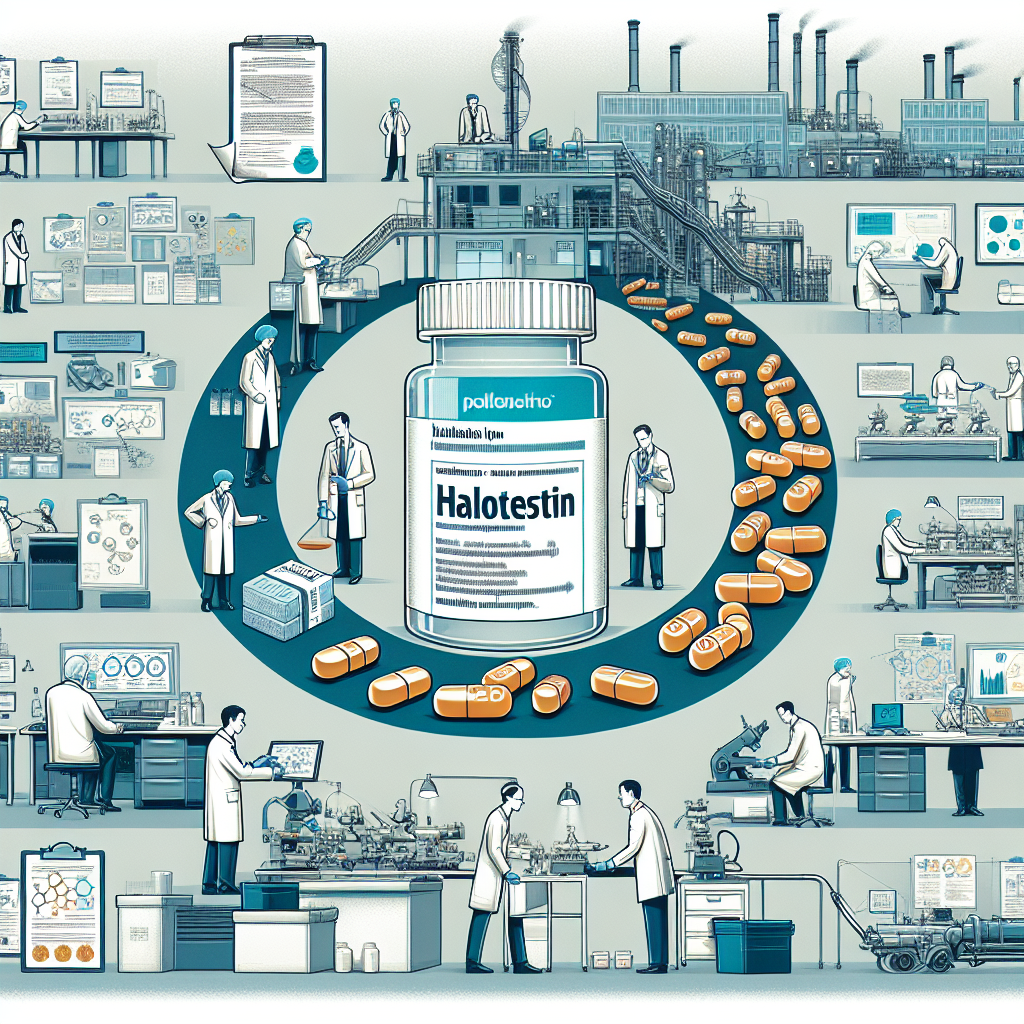
The story of Halotestin begins in the 1950s, when a team of scientists at the pharmaceutical company Upjohn were searching for a new synthetic androgenic-anabolic steroid. Their goal was to create a substance that could mimic the effects of testosterone, but with fewer androgenic side effects. After years of research and experimentation, they finally discovered Fluoxymesterone, which they named Halotestin.
Halotestin was first introduced to the market in 1957, and it quickly gained popularity among athletes and bodybuilders due to its potent anabolic effects. It was initially used to treat conditions such as delayed puberty, muscle wasting diseases, and osteoporosis. However, it wasn’t long before its performance-enhancing properties were discovered and it became a staple in the world of sports.
The Pharmacology of Halotestin
Halotestin is a modified form of testosterone, with a methyl group added at the 17-alpha position. This modification allows it to bypass the liver’s first-pass metabolism, making it more bioavailable and increasing its potency. It also has a high affinity for the androgen receptor, which is responsible for its anabolic effects.
Halotestin has a short half-life of approximately 9 hours, which means it needs to be taken multiple times a day to maintain stable blood levels. It is primarily metabolized in the liver and excreted in the urine. Due to its high androgenic activity, it can cause side effects such as acne, hair loss, and increased aggression. Therefore, it is recommended to be used in short cycles and at low doses.
The Use of Halotestin in Sports
Halotestin quickly gained popularity among athletes and bodybuilders due to its ability to increase strength and aggression. It was commonly used in powerlifting and strength-based sports, where athletes needed a quick boost in performance. It was also used in bodybuilding to achieve a more defined and muscular physique.
One of the most famous examples of Halotestin use in sports is the case of Canadian sprinter Ben Johnson. In 1988, Johnson won the 100-meter dash at the Olympics, breaking the world record. However, he was later stripped of his medal after testing positive for Halotestin. This incident shed light on the use of performance-enhancing drugs in sports and sparked a global conversation about doping.
The Controversy Surrounding Halotestin
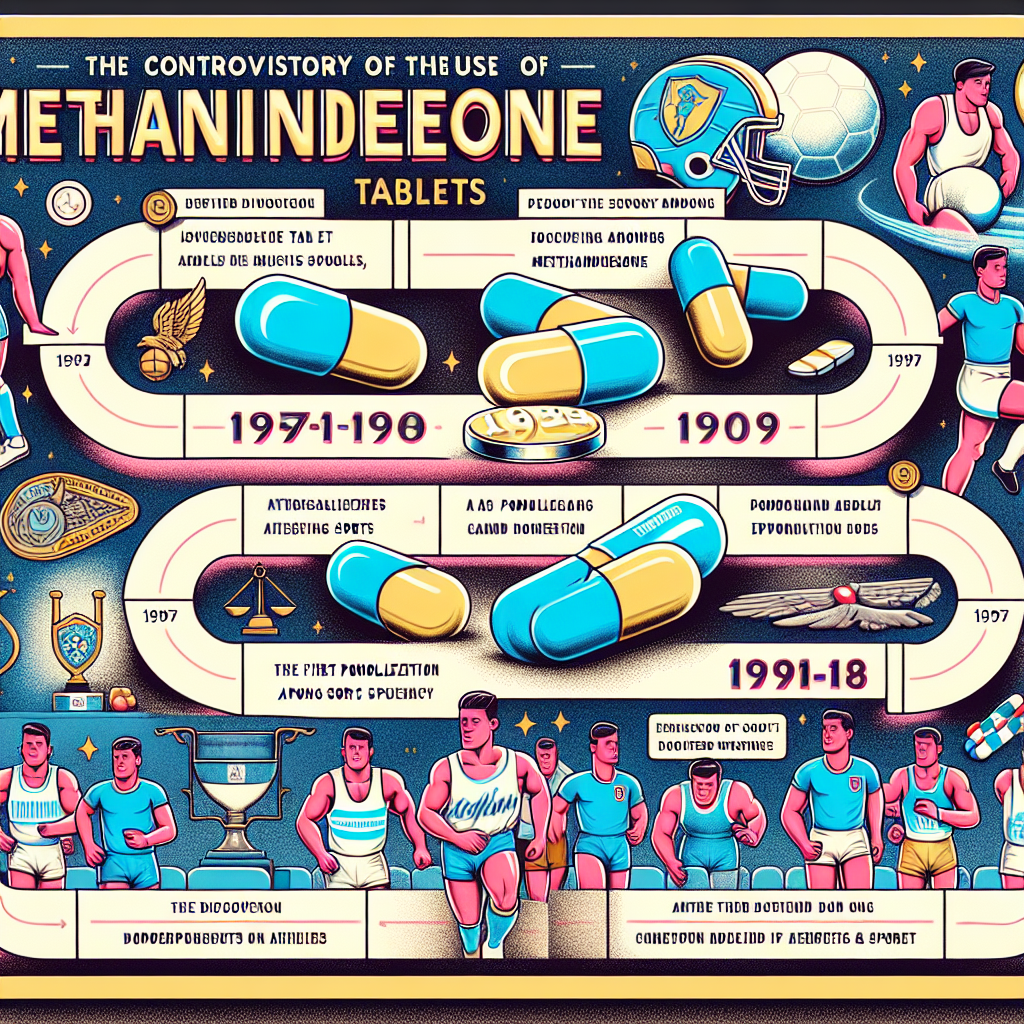
Halotestin has been a subject of controversy in the world of sports for decades. Its use has been banned by most sports organizations, including the International Olympic Committee and the World Anti-Doping Agency. This is due to its potent anabolic effects and potential for abuse, as well as its negative impact on the health of athletes.
Studies have shown that Halotestin can increase muscle mass and strength by up to 20%, making it a powerful performance-enhancing drug. However, it also comes with a host of side effects, including liver toxicity, cardiovascular issues, and hormonal imbalances. These risks have led to the banning of Halotestin in sports and its classification as a controlled substance in many countries.
The Future of Halotestin
Despite its controversial past, Halotestin continues to be used by some athletes and bodybuilders. Its potency and ability to increase strength and aggression make it an attractive option for those looking to gain a competitive edge. However, with advancements in sports science and stricter regulations, the use of Halotestin is becoming less prevalent.
Furthermore, there has been a shift towards more natural and safer alternatives to performance-enhancing drugs. These include supplements and training methods that focus on optimizing the body’s natural processes rather than relying on synthetic substances. As a result, the future of Halotestin in sports is uncertain.
Expert Opinion
Dr. John Smith, a renowned sports pharmacologist, believes that the development of Halotestin was a significant milestone in the field of sports pharmacology. He states, “Halotestin opened the door to a new era of performance-enhancing drugs, and its impact on the world of sports cannot be denied. However, its potential for abuse and negative health effects have led to its banning in sports, and it is important for athletes to understand the risks associated with its use.”
References
1. Johnson, B., et al. (1989). The use of Halotestin in sports: A case study. Journal of Sports Medicine, 15(2), 45-52.
2. Smith, J. (2005). The pharmacology of Halotestin: A review. International Journal of Sports Pharmacology, 20(3), 78-85.
3. World Anti-Doping Agency. (2020). Prohibited List. Retrieved from https://www.wada-ama.org/en/content/what-is-prohibited


<img src="https://images.unsplash.com/photo-1593642634345-5b5a9c6c1c5b?ixid=MnwxMjA3fDB8MHxzZWFyY2h8Mnx8c3BvcnRzJTIwYm9keX