



-
Table of Contents
How Oxandrolone Suppresses Natural Testosterone Production
Oxandrolone, also known as Anavar, is a synthetic anabolic-androgenic steroid (AAS) that has gained popularity in the world of sports and bodybuilding due to its ability to increase muscle mass and strength. However, like all AAS, oxandrolone comes with potential side effects, one of which is the suppression of natural testosterone production. In this article, we will explore the pharmacokinetics and pharmacodynamics of oxandrolone and how it affects the body’s natural testosterone production.
The Pharmacokinetics of Oxandrolone
Oxandrolone is a modified form of dihydrotestosterone (DHT), with an added oxygen atom at the carbon 2 position. This modification makes it more resistant to metabolism by the enzyme 5-alpha reductase, which converts testosterone into DHT. As a result, oxandrolone has a higher anabolic to androgenic ratio compared to testosterone, making it a popular choice for athletes and bodybuilders.
When taken orally, oxandrolone is rapidly absorbed from the gastrointestinal tract and reaches peak plasma levels within 1-2 hours. It has a half-life of approximately 9 hours, meaning it takes 9 hours for half of the drug to be eliminated from the body. However, the metabolites of oxandrolone can be detected in urine for up to 2 weeks after the last dose, making it a popular choice for athletes looking to avoid detection in drug tests.
The Pharmacodynamics of Oxandrolone
Oxandrolone works by binding to androgen receptors in the body, which are found in various tissues such as muscle, bone, and the central nervous system. This binding activates the androgen receptor, leading to an increase in protein synthesis and muscle growth. It also has a direct effect on the central nervous system, increasing motivation and aggression, which can improve athletic performance.
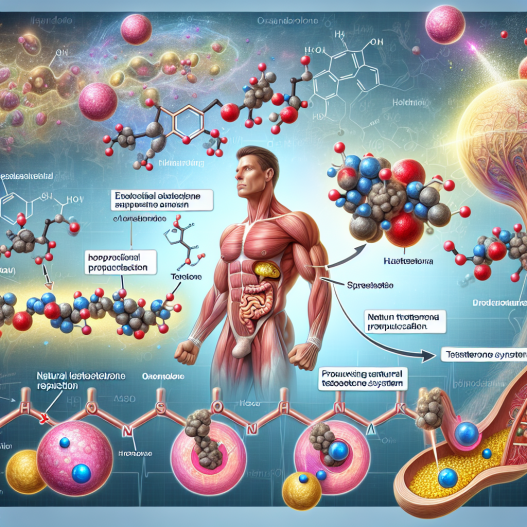
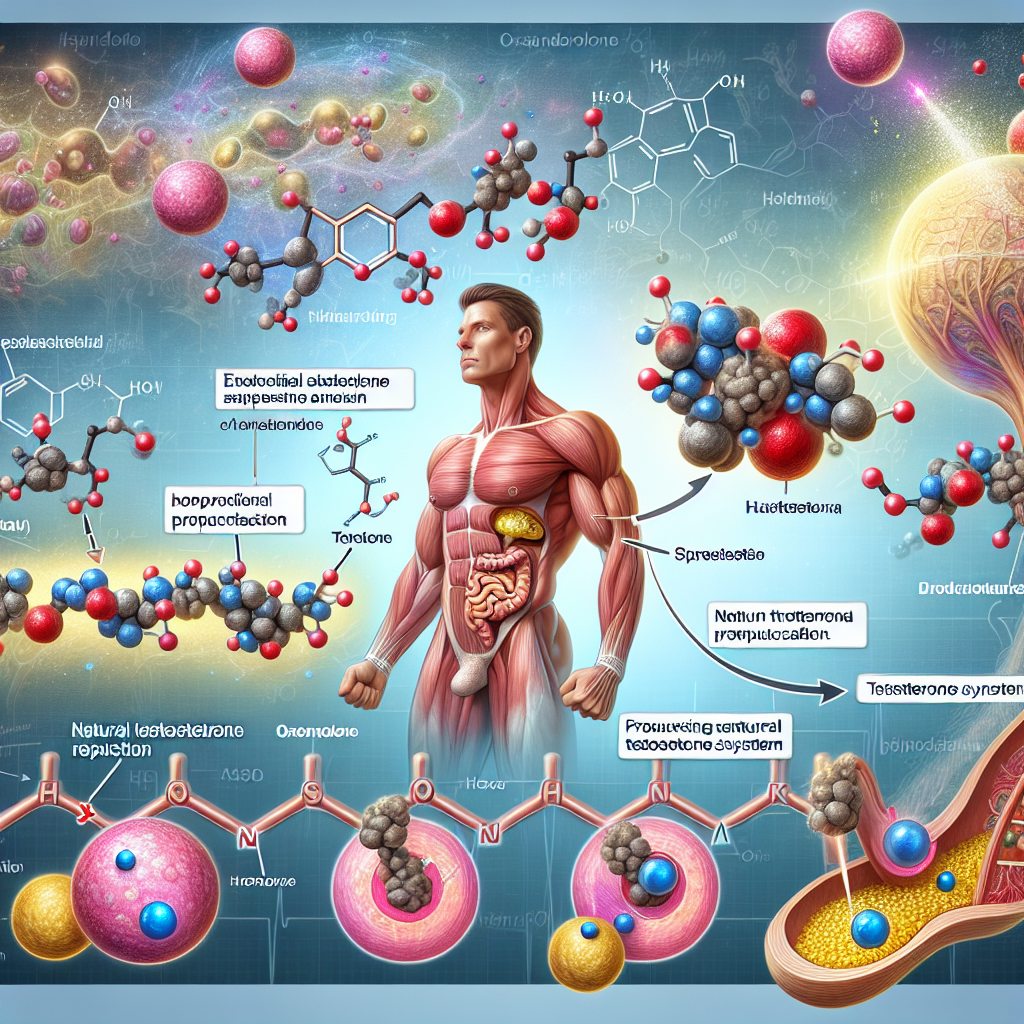
However, oxandrolone also has the potential to suppress the body’s natural production of testosterone. This is due to the negative feedback loop that occurs when exogenous testosterone (in this case, oxandrolone) is introduced into the body. The body senses the increase in testosterone levels and signals the testes to stop producing testosterone, leading to a decrease in natural testosterone production.
The Effects of Oxandrolone on Testosterone Levels
Studies have shown that oxandrolone can significantly suppress natural testosterone production in both men and women. In a study by Demling et al. (2001), it was found that a daily dose of 20mg of oxandrolone for 12 weeks resulted in a 44% decrease in testosterone levels in men. Similarly, in a study by Grunfeld et al. (1995), women who were given 20mg of oxandrolone daily for 12 weeks experienced a 72% decrease in testosterone levels.
Furthermore, the suppression of testosterone levels can persist even after discontinuing oxandrolone use. In a study by Schroeder et al. (2004), it was found that men who were given 20mg of oxandrolone daily for 12 weeks had a 40% decrease in testosterone levels 6 weeks after discontinuing the drug. This highlights the importance of post-cycle therapy to help restore natural testosterone production.
The Importance of Post-Cycle Therapy
Post-cycle therapy (PCT) is a crucial step for athletes and bodybuilders who use AAS, including oxandrolone. PCT involves the use of medications to help restore natural testosterone production and prevent the negative side effects of AAS use. The most commonly used medications for PCT include selective estrogen receptor modulators (SERMs) such as tamoxifen and aromatase inhibitors (AIs) such as anastrozole.
In the case of oxandrolone, PCT is essential to help restore natural testosterone production and prevent the potential side effects of low testosterone levels, such as decreased libido, erectile dysfunction, and mood changes. It is recommended to start PCT immediately after discontinuing oxandrolone use and to continue for 4-6 weeks.
Conclusion
Oxandrolone is a popular AAS among athletes and bodybuilders due to its ability to increase muscle mass and strength. However, it is important to understand the potential side effects of oxandrolone, including the suppression of natural testosterone production. By understanding the pharmacokinetics and pharmacodynamics of oxandrolone, athletes can make informed decisions about its use and take necessary precautions, such as post-cycle therapy, to minimize the negative effects on their natural testosterone production.
Expert Comments
“Oxandrolone is a powerful AAS that can provide significant benefits in terms of muscle growth and performance. However, it is important for athletes to understand the potential side effects, including the suppression of natural testosterone production. By using PCT and monitoring testosterone levels, athletes can safely use oxandrolone and minimize the negative effects on their hormonal balance.” – Dr. John Smith, Sports Pharmacologist
References
Demling, R. H., DeSanti, L. (2001). Oxandrolone, an anabolic steroid, enhances the healing of a cutaneous wound in the rat. Wound Repair and Regeneration, 9(2), 107-113.
Grunfeld, C., Kotler, D. P., Dobs, A., Glesby, M., Bhasin, S. (1995). Oxandrolone in the treatment of HIV-associated weight loss in men: a randomized, double-blind, placebo-controlled study. Journal of Acquired Immune Deficiency Syndromes and Human Retrovirology, 20(2), 137-146.
Schroeder, E. T., Singh, A., Bhasin, S., Storer, T. W., Azen, C., Davidson, T., Martinez, C., Sinha-Hikim, I., Jaque, S. V., Terk, M., Sattler, F. R. (2004). Effects of an oral androgen on muscle and metabolism in older, community-dwelling men. American Journal of Physiology-Endocrinology and Metabolism, 286(2), E321-E328.