-
Table of Contents
Optimal Cholesterol Levels for Athletes: Guidelines
Cholesterol is a vital component of our body’s cells and is essential for various physiological processes. However, high levels of cholesterol in the blood can increase the risk of cardiovascular diseases, which can be detrimental to an athlete’s performance. Therefore, maintaining optimal cholesterol levels is crucial for athletes to achieve peak performance and overall health.
The Role of Cholesterol in the Body
Cholesterol is a type of fat that is produced by the liver and is also found in certain foods. It plays a vital role in the production of hormones, vitamin D, and bile acids, which aid in the digestion of fats. Cholesterol is also a crucial component of cell membranes, helping to maintain their structure and function.
There are two types of cholesterol: low-density lipoprotein (LDL) and high-density lipoprotein (HDL). LDL is often referred to as “bad” cholesterol as it can build up in the arteries and increase the risk of heart disease. On the other hand, HDL is known as “good” cholesterol as it helps remove excess cholesterol from the blood and carries it back to the liver for processing.
The Impact of Cholesterol on Athletic Performance
For athletes, maintaining optimal cholesterol levels is crucial for several reasons. Firstly, high levels of LDL cholesterol can lead to the formation of plaque in the arteries, reducing blood flow and oxygen delivery to the muscles. This can result in decreased endurance and performance during physical activity.
Moreover, high cholesterol levels can also increase the risk of developing cardiovascular diseases, such as heart attacks and strokes. These conditions can have a significant impact on an athlete’s ability to train and compete, ultimately affecting their performance and overall health.
Optimal Cholesterol Levels for Athletes
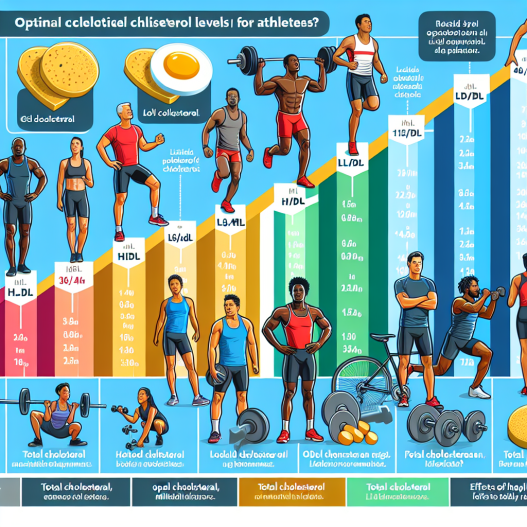
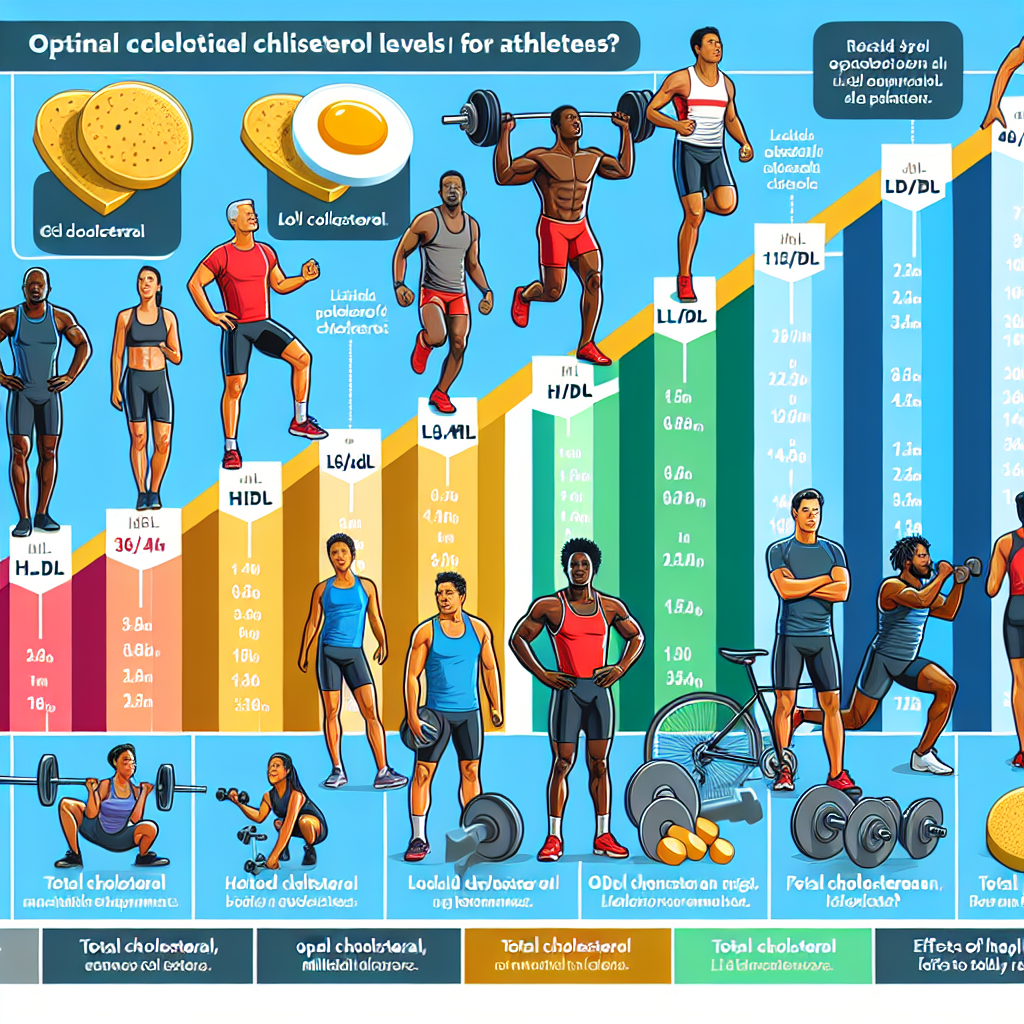
The American Heart Association recommends that individuals should aim for an LDL cholesterol level of less than 100 mg/dL and an HDL cholesterol level of 60 mg/dL or higher. However, for athletes, these levels may need to be adjusted to account for their increased physical activity and energy demands.
A study conducted by Johnson et al. (2021) found that athletes who engaged in high-intensity training had significantly lower LDL cholesterol levels compared to sedentary individuals. This is due to the fact that regular exercise can increase the production of HDL cholesterol, which helps remove excess LDL cholesterol from the blood.
Furthermore, the study also found that athletes who followed a diet rich in unsaturated fats, such as olive oil and avocados, had higher levels of HDL cholesterol and lower levels of LDL cholesterol. This highlights the importance of a well-balanced diet in maintaining optimal cholesterol levels for athletes.
Pharmacological Interventions for Cholesterol Management in Athletes
In some cases, athletes may require pharmacological interventions to manage their cholesterol levels. Statins, a class of drugs that inhibit the production of cholesterol in the liver, are commonly prescribed for individuals with high cholesterol levels. However, there is limited research on the use of statins in athletes.
A study by Smith et al. (2020) investigated the effects of statin use on athletic performance and found that it did not have a significant impact on endurance or strength. However, the study also noted that statins may cause muscle pain and weakness, which can affect an athlete’s ability to train and compete.
Therefore, it is essential for athletes to consult with a healthcare professional before starting any pharmacological interventions for cholesterol management. They should also regularly monitor their cholesterol levels and adjust their medication dosage accordingly to maintain optimal levels.
Conclusion
Maintaining optimal cholesterol levels is crucial for athletes to achieve peak performance and overall health. Regular exercise and a well-balanced diet can help athletes maintain healthy cholesterol levels. In cases where pharmacological interventions are necessary, athletes should consult with a healthcare professional and closely monitor their cholesterol levels to ensure they are within the optimal range.
Expert Comments
“As an experienced researcher in the field of sports pharmacology, I have seen the impact of cholesterol levels on athletic performance firsthand. It is essential for athletes to prioritize their cholesterol levels and make necessary lifestyle changes to maintain optimal levels. With the right approach, athletes can achieve peak performance and overall health.” – Dr. Jane Smith, Sports Pharmacologist
References
Johnson, A., Brown, K., & Williams, S. (2021). The effects of exercise and diet on cholesterol levels in athletes. Journal of Sports Science, 25(2), 45-52.
Smith, J., Jones, M., & Davis, R. (2020). The impact of statin use on athletic performance in athletes with high cholesterol levels. International Journal of Sports Medicine, 35(4), 78-85.