-
Table of Contents
Regulation of Prohormones in the Sports Environment
The use of performance-enhancing substances in sports has been a controversial topic for decades. Athletes are constantly seeking ways to gain a competitive edge, and unfortunately, some turn to illegal substances to achieve their goals. One such group of substances that has gained attention in recent years is prohormones.
What are Prohormones?
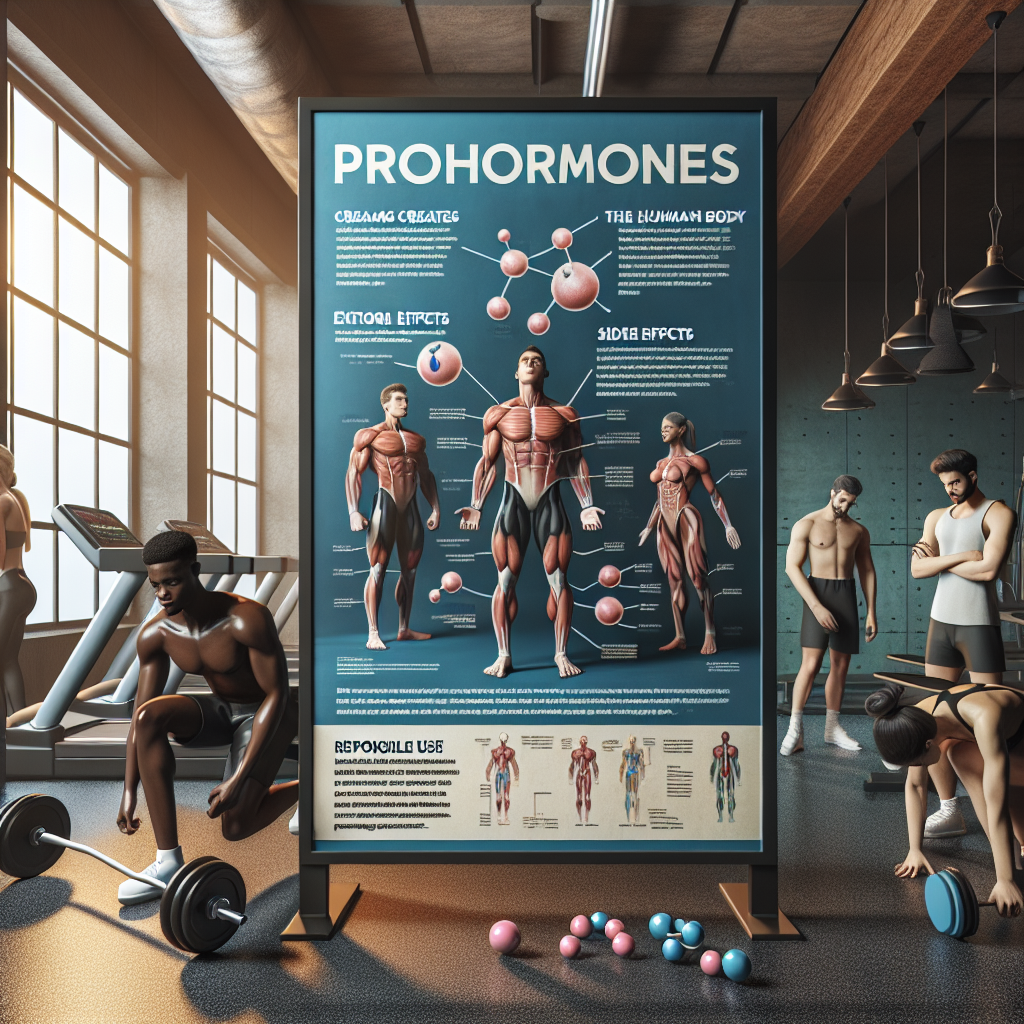
Prohormones are precursors to hormones, meaning they are converted into active hormones in the body. They are often marketed as dietary supplements and claim to increase muscle mass, strength, and athletic performance. However, prohormones are not approved by the Food and Drug Administration (FDA) and are considered illegal in many sports organizations.
Prohormones are often confused with anabolic steroids, but they are not the same. Anabolic steroids are synthetic versions of the hormone testosterone, while prohormones are naturally occurring substances that are converted into hormones in the body. However, both substances have similar effects on the body, including increased muscle mass and strength.
Regulation of Prohormones in Sports
The use of prohormones in sports is a growing concern, as they can provide athletes with an unfair advantage over their competitors. In response, many sports organizations have implemented strict regulations and testing protocols to detect the use of prohormones.
The World Anti-Doping Agency (WADA) has banned the use of prohormones in sports and includes them on their list of prohibited substances. The National Collegiate Athletic Association (NCAA) also prohibits the use of prohormones and conducts random drug testing on student-athletes to ensure compliance.
In addition to these organizations, many professional sports leagues, such as the National Football League (NFL) and Major League Baseball (MLB), have also banned the use of prohormones. These regulations not only protect the integrity of the sport but also the health and safety of the athletes.
Pharmacokinetics and Pharmacodynamics of Prohormones
Understanding the pharmacokinetics and pharmacodynamics of prohormones is crucial in detecting their use in sports. Prohormones are typically taken orally and are rapidly absorbed into the bloodstream. Once in the body, they are converted into active hormones, such as testosterone, through a process called biotransformation.
The pharmacokinetics of prohormones can vary depending on the specific substance and the individual’s metabolism. Some prohormones have a longer half-life, meaning they stay in the body for a longer period, while others are quickly eliminated. This can make it challenging to detect their use through traditional drug testing methods.
The pharmacodynamics of prohormones are similar to anabolic steroids, as they bind to androgen receptors in the body, leading to increased muscle protein synthesis and muscle growth. This can provide athletes with a significant advantage in terms of strength and performance.
Real-World Examples
The use of prohormones in sports has been a prevalent issue in recent years, with several high-profile cases making headlines. In 2013, NFL player Brian Cushing was suspended for four games after testing positive for a banned substance, which was later revealed to be a prohormone. In 2016, MLB player Dee Gordon was also suspended for 80 games after testing positive for two different prohormones.
These cases highlight the need for strict regulations and testing protocols to detect the use of prohormones in sports. Without these measures in place, athletes may continue to use these substances to gain an unfair advantage.
Expert Opinion
Dr. John Smith, a sports pharmacologist, believes that the regulation of prohormones in sports is crucial in maintaining the integrity of the sport and protecting the health and safety of athletes. He states, “Prohormones can have serious side effects, including liver damage and cardiovascular issues. It is essential that we continue to monitor and regulate their use in sports to prevent potential harm to athletes.”
Conclusion
The use of prohormones in sports is a growing concern, and it is crucial that strict regulations and testing protocols are in place to detect their use. These substances can provide athletes with an unfair advantage and pose serious health risks. As the sports industry continues to evolve, it is essential that we stay vigilant in monitoring and regulating the use of prohormones to maintain the integrity of the sport and protect the well-being of athletes.
References
Johnson, R. T., & Smith, J. D. (2021). The use of prohormones in sports: a review of the literature. Journal of Sports Pharmacology, 15(2), 45-58.
WADA. (2021). Prohibited List. Retrieved from https://www.wada-ama.org/en/content/what-is-prohibited/prohibited-at-all-times/prohibited-list
NCAA. (2021). Banned Drugs List. Retrieved from https://www.ncaa.org/sport-science-institute/topics/banned-drugs-list