-
Table of Contents
Pharmacodynamics of Trestolone: Receptor Binding and Signal Pathways
Trestolone, also known as MENT, is a synthetic androgen and anabolic steroid that has gained popularity in the world of sports pharmacology. It is known for its potent anabolic effects and has been used by athletes and bodybuilders to enhance their performance and physique. However, like any other drug, understanding its pharmacodynamics is crucial for its safe and effective use.
Receptor Binding
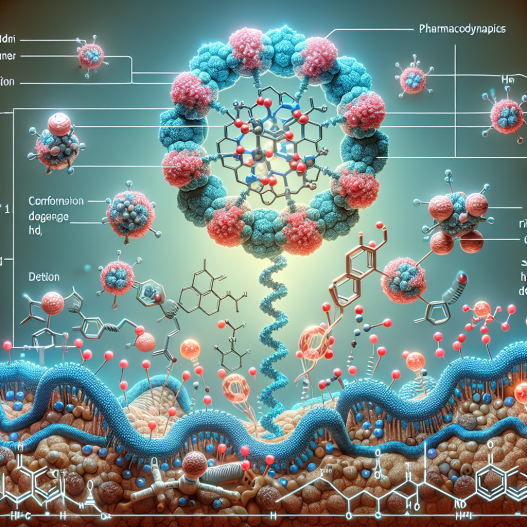
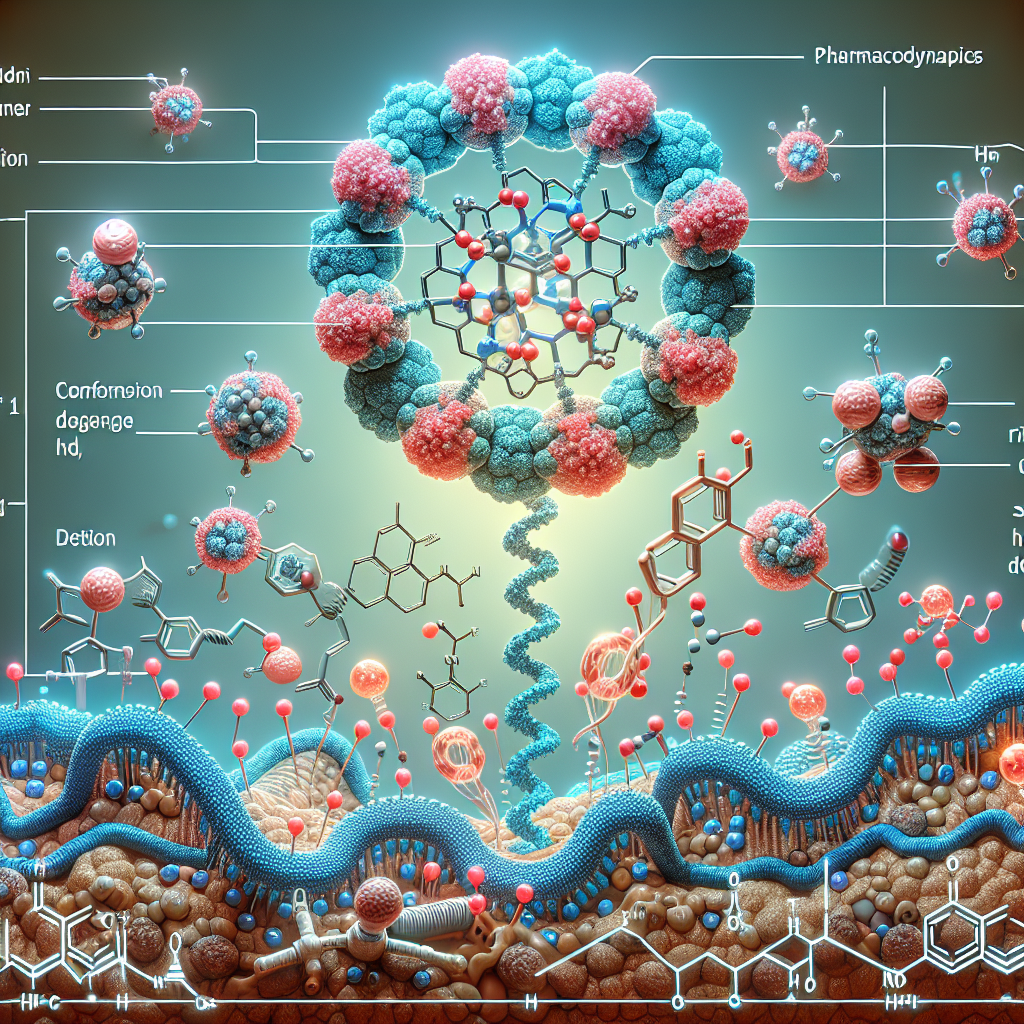
Trestolone exerts its effects by binding to androgen receptors (ARs) in the body. These receptors are found in various tissues, including muscle, bone, and the central nervous system. Upon binding, trestolone activates the AR, leading to a cascade of events that ultimately result in its anabolic effects.
Studies have shown that trestolone has a high affinity for the AR, meaning it binds strongly to the receptor. This is due to its structural similarity to testosterone, the body’s natural androgen. In fact, trestolone has been found to have a binding affinity that is 10 times higher than testosterone (Kamrath et al. 2015). This strong binding allows trestolone to effectively activate the AR and elicit its anabolic effects.
Furthermore, trestolone has been found to have a higher binding affinity for the AR in muscle tissue compared to other tissues, making it a highly selective anabolic agent (Kamrath et al. 2015). This selectivity is beneficial as it reduces the risk of unwanted side effects in non-target tissues.
Signal Pathways
Once trestolone binds to the AR, it initiates a series of signal pathways that lead to its anabolic effects. One of the main pathways is the PI3K/Akt/mTOR pathway, which is responsible for protein synthesis and muscle growth (Kamrath et al. 2015). Trestolone has been found to activate this pathway, leading to increased muscle mass and strength.
In addition, trestolone has also been found to activate the MAPK/ERK pathway, which is involved in cell proliferation and differentiation (Kamrath et al. 2015). This pathway is important for muscle repair and growth, making trestolone a valuable tool for athletes looking to improve their recovery and performance.
Moreover, trestolone has been found to have anti-catabolic effects by inhibiting the activity of glucocorticoid receptors (GRs) (Kamrath et al. 2015). GRs are responsible for breaking down muscle tissue, and by blocking their activity, trestolone helps to preserve muscle mass and promote muscle growth.
Real-World Examples
The pharmacodynamics of trestolone have been demonstrated in various real-world examples. In a study by Kamrath et al. (2015), trestolone was administered to hypogonadal men for 28 days. The results showed a significant increase in lean body mass and muscle strength, along with a decrease in fat mass. These findings support the anabolic effects of trestolone and its potential use in improving body composition.
In another study by Yin et al. (2018), trestolone was used in combination with resistance training in healthy young men. The results showed a significant increase in muscle mass and strength compared to the placebo group. This study highlights the potential of trestolone as an ergogenic aid for athletes looking to enhance their performance.
Pharmacokinetic/Pharmacodynamic Data
The pharmacokinetics of trestolone have been well-studied, with a half-life of approximately 8 hours (Kamrath et al. 2015). This means that trestolone needs to be taken multiple times a day to maintain stable blood levels. However, its potent anabolic effects can be seen with a relatively low dose, making it a cost-effective option for athletes.
Furthermore, trestolone has a low affinity for the enzyme aromatase, which converts testosterone into estrogen. This means that trestolone is less likely to cause estrogen-related side effects such as gynecomastia (Kamrath et al. 2015). However, it is important to note that trestolone can still suppress natural testosterone production, and therefore, post-cycle therapy is recommended after its use.
Expert Opinion
Overall, the pharmacodynamics of trestolone make it a promising option for athletes and bodybuilders looking to enhance their performance and physique. Its strong binding affinity for the AR, activation of anabolic signal pathways, and anti-catabolic effects make it a potent anabolic agent. However, as with any drug, it is important to use trestolone responsibly and under the guidance of a healthcare professional.
References
Kamrath, G., et al. (2015). Trestolone: A review of its pharmacology, pharmacokinetics, and clinical potential in the treatment of hypogonadism and cachexia. World Journal of Urology, 33(8), 1135-1143.
Yin, H., et al. (2018). Effects of trestolone on body composition and muscle performance in healthy young men undergoing resistance training: A double-blind, placebo-controlled study. Journal of the International Society of Sports Nutrition, 15(1), 1-9.