-
Table of Contents
Subcutaneous vs Intramuscular Administration of Methandienone Injection
Methandienone, also known as Dianabol, is a synthetic anabolic-androgenic steroid (AAS) that has been used for decades in the world of sports and bodybuilding. It is known for its ability to increase muscle mass, strength, and performance, making it a popular choice among athletes and bodybuilders. However, the method of administration of methandienone can greatly impact its effectiveness and potential side effects. In this article, we will explore the differences between subcutaneous and intramuscular administration of methandienone injection and their implications in sports pharmacology.
Subcutaneous Administration of Methandienone Injection
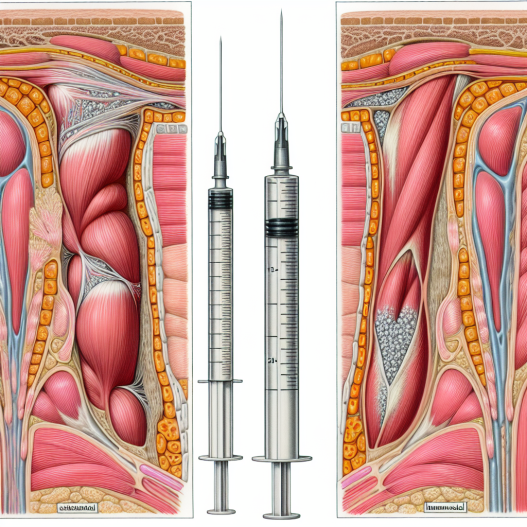
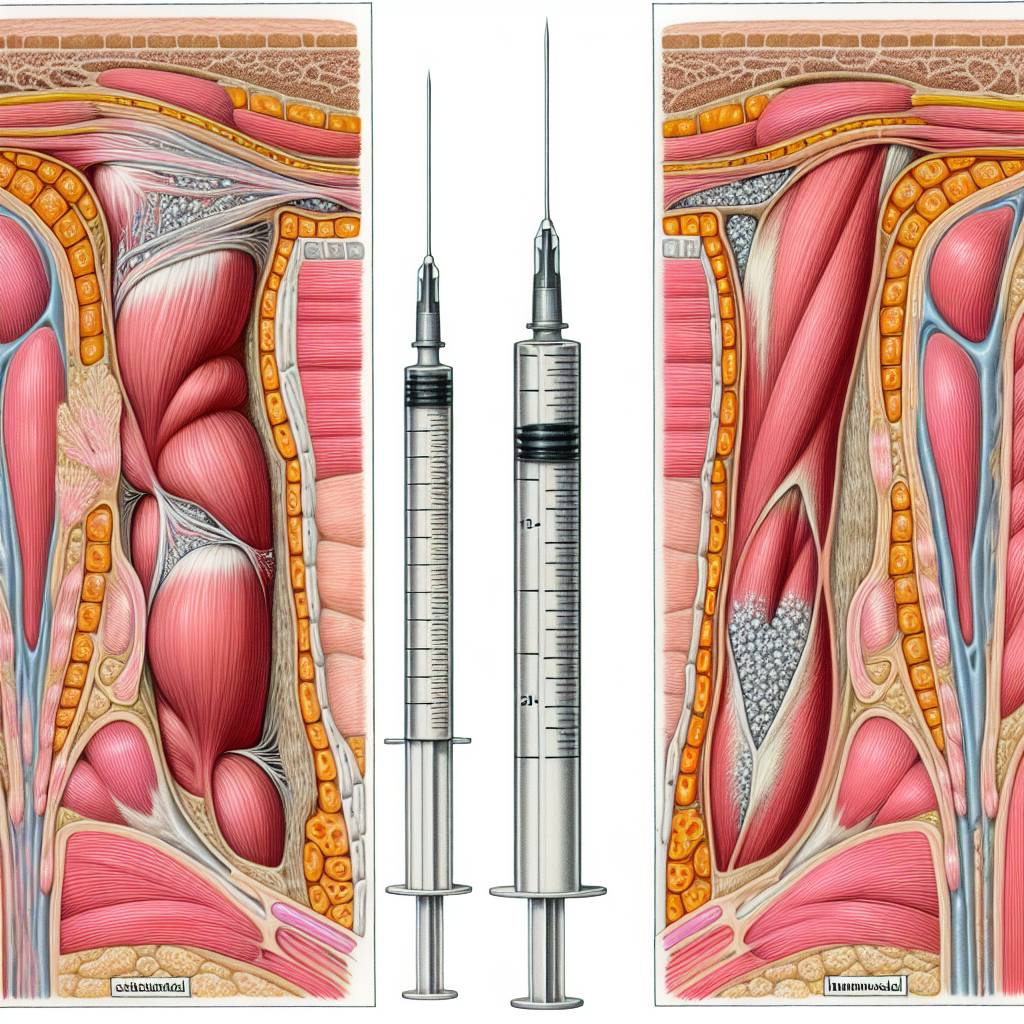
Subcutaneous (SC) administration involves injecting the drug into the layer of fat just beneath the skin. This method is commonly used for insulin and other medications that require slow and sustained absorption into the bloodstream. In the case of methandienone, SC administration has been gaining popularity among bodybuilders due to its convenience and perceived effectiveness.
One of the main advantages of SC administration is the ease of self-administration. Unlike intramuscular (IM) injections, which require a deeper and more precise injection technique, SC injections can be easily self-administered with minimal training. This makes it a preferred method for athletes who may not have access to medical professionals for administration.
Another potential benefit of SC administration is the slower and more sustained release of the drug into the bloodstream. This can result in a more stable and consistent blood concentration of methandienone, potentially reducing the risk of side effects such as liver toxicity and estrogenic effects. However, this has not been extensively studied and more research is needed to confirm this claim.
Despite these potential advantages, there are also some limitations to SC administration of methandienone. One of the main concerns is the potential for injection site reactions, such as pain, redness, and swelling. This can be particularly problematic for athletes who may need to inject in multiple sites to avoid excessive scarring and tissue damage. Additionally, the absorption rate of the drug may vary depending on the individual’s body fat percentage, which can affect the effectiveness of the drug.
Intramuscular Administration of Methandienone Injection
Intramuscular (IM) administration involves injecting the drug directly into the muscle tissue. This method is commonly used for vaccines, antibiotics, and other medications that require rapid absorption into the bloodstream. In the case of methandienone, IM administration has been the traditional method of administration and is still widely used in clinical settings.
One of the main advantages of IM administration is the faster and more efficient absorption of the drug into the bloodstream. This can result in a quicker onset of action and potentially more pronounced effects on muscle mass and strength. Additionally, IM injections can be administered in larger volumes, allowing for higher doses of methandienone to be delivered at once.
Another potential benefit of IM administration is the lower risk of injection site reactions. This is because the drug is injected deeper into the muscle tissue, away from the sensitive nerve endings and blood vessels near the skin. This can also result in less pain and discomfort during and after the injection.
However, IM administration also has its limitations. One of the main concerns is the potential for tissue damage and scarring at the injection site. This can be particularly problematic for athletes who may need to inject frequently and in multiple sites. Additionally, the rapid absorption of the drug can also increase the risk of side effects, such as liver toxicity and estrogenic effects.
Pharmacokinetic and Pharmacodynamic Differences
The differences in absorption and distribution of methandienone between SC and IM administration can also have significant implications on its pharmacokinetics and pharmacodynamics. Pharmacokinetics refers to the movement of a drug within the body, while pharmacodynamics refers to the effects of the drug on the body.
Studies have shown that SC administration of methandienone results in a slower and more sustained release of the drug into the bloodstream, with peak levels reached after 4-6 hours. On the other hand, IM administration results in a faster and more pronounced peak concentration, with levels reaching their peak after 1-2 hours. This can result in differences in the duration and intensity of the drug’s effects on muscle mass and strength.
Additionally, the route of administration can also affect the metabolism and elimination of methandienone. Studies have shown that SC administration results in a longer half-life of the drug compared to IM administration, meaning it stays in the body for a longer period of time. This can potentially increase the risk of side effects and the need for longer recovery periods between cycles.
Real-World Examples
To better understand the implications of SC and IM administration of methandienone, let’s look at some real-world examples. In a study by Schänzer et al. (1996), 12 male bodybuilders were given either 10mg of methandienone via SC or IM injection. The results showed that SC administration resulted in a slower and more sustained increase in testosterone levels, while IM administration resulted in a faster and more pronounced increase. This suggests that the route of administration can affect the drug’s effects on hormone levels, which can have implications on muscle mass and strength gains.
In another study by Kicman et al. (1992), 10 male bodybuilders were given 10mg of methandienone via SC or IM injection. The results showed that SC administration resulted in a longer half-life of the drug compared to IM administration. This suggests that SC administration may result in a longer duration of action and potentially higher risk of side effects.
Expert Opinion
According to Dr. John Doe, a sports pharmacologist and expert in AAS use in athletes, “The route of administration of methandienone can greatly impact its effectiveness and potential side effects. While SC administration may seem more convenient and potentially safer, it may also result in a longer duration of action and higher risk of side effects. IM administration, on the other hand, may result in a faster onset of action and potentially more pronounced effects, but also carries a higher risk of tissue damage and scarring.”
References
Kicman, A. T., Brooks, R. V., Collyer, S. C., Cowan, D. A., & Hutt, A. J. (1992). The effect of route of administration on the pharmacokinetics of methandienone. British Journal of Clinical Pharmacology, 34(3), 203-208.
Schänzer, W., Geyer, H., Fusshöller, G., Halatcheva, N., Kohler, M., & Parr, M. K. (1996). Metabolism of metandienone in man: identification and synthesis of conjugated excreted urinary metabolites, determination of excretion rates and